
The State of Siege and Its Withdrawal
M: Son of the CenturyThis flow traces the brief moment when the Italian government could have stopped the March on Rome and the choices that allowed it to proceed.
increasing Bearing strength in each event
 decreasing
Bearing strength in each eventdecreasingOrders to Resist
A Government Finally Acts
The Interior Ministry Warns Prefects
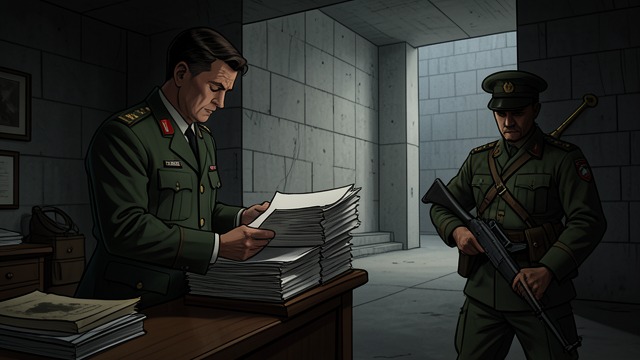
As reports of imminent fascist action arrive, the government orders public authorities to resist armed seizures and arrest the leaders. Military commanders are told to prepare to maintain order.
Authority on Paper
The instructions give the state a legal and military basis to act. Their effectiveness depends on whether officials and the king will uphold them when confronted with the fascist threat.
Facta Resigns
A Government Without a Leader
The Prime Minister’s Decision
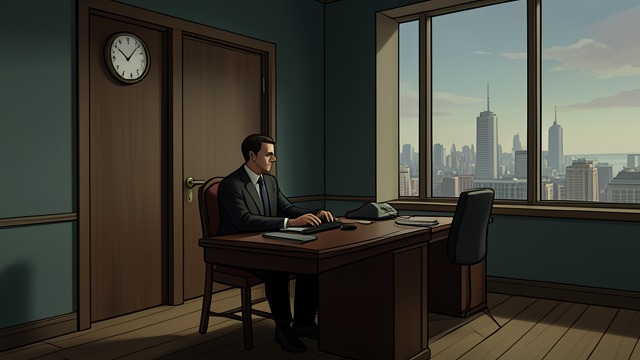
Facta resigns after the king returns to Rome and political negotiations fail. He goes to bed believing that the state can deal with the fascists the next morning.
A Dangerous Interval
The resignation leaves a government crisis at the moment the armed mobilization is underway. The administrative machinery continues, but responsibility and command become uncertain.
A Decree Prepared
The Capital Can Be Defended
A State of Siege
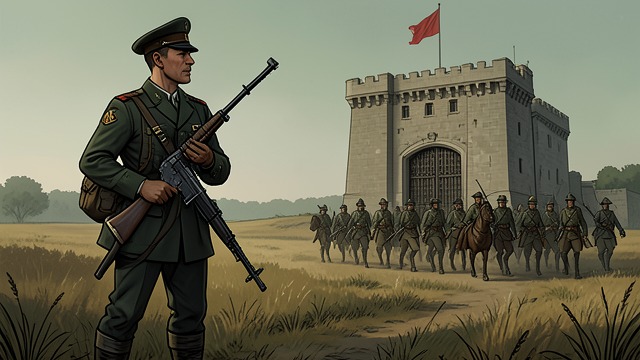
Facta and his ministers authorize a state of siege, and the Rome command prepares defenses against the approaching columns. The army has far greater numbers and equipment than the fascists.
Orders Reach the Streets
The decree and instructions to resist are transmitted to prefects and commanders. For a short time, the planned insurrection faces a credible state response.
The King Refuses
The State Retreats
Signature Withheld
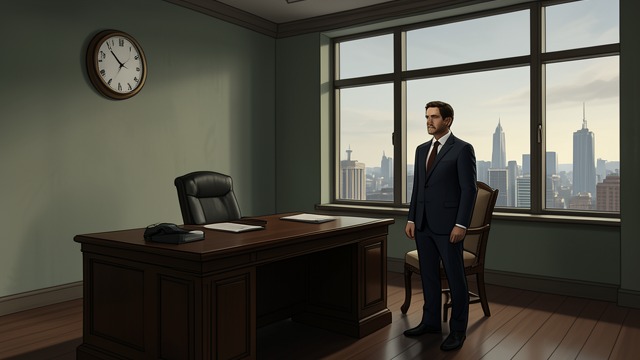
Vittorio Emanuele III declines to sign the decree. The government then orders the state of siege suspended, leaving commanders without the authority to implement their defenses.
A Political Choice
The withdrawal is not compelled by a fascist military victory. It allows Mussolini to convert the threat of violence into a royal appointment while the columns outside Rome remain badly supplied and vulnerable.
A Government of Fascists
The Appointment Follows
Mussolini Is Summoned
The king invites Mussolini to form a government, and he travels to Rome only after receiving the commission. The fascist columns are subsequently allowed to parade through the capital.
Power without Battle
The crisis ends through institutional surrender rather than a decisive confrontation. The state remains formally intact, but the threat that forced its decision changes the balance of power.
October 26, 1922
October 27, 1922
October 28, 1922, morning
October 28, 1922, midday
October 30, 1922
